Fall Garden Clean Up
The fall harvest may be coming to an end, but now is the perfect time to get a head start on next year’s garden. Here are a few tasks to tackle before winter arrives.
1. Remove Dead Crops
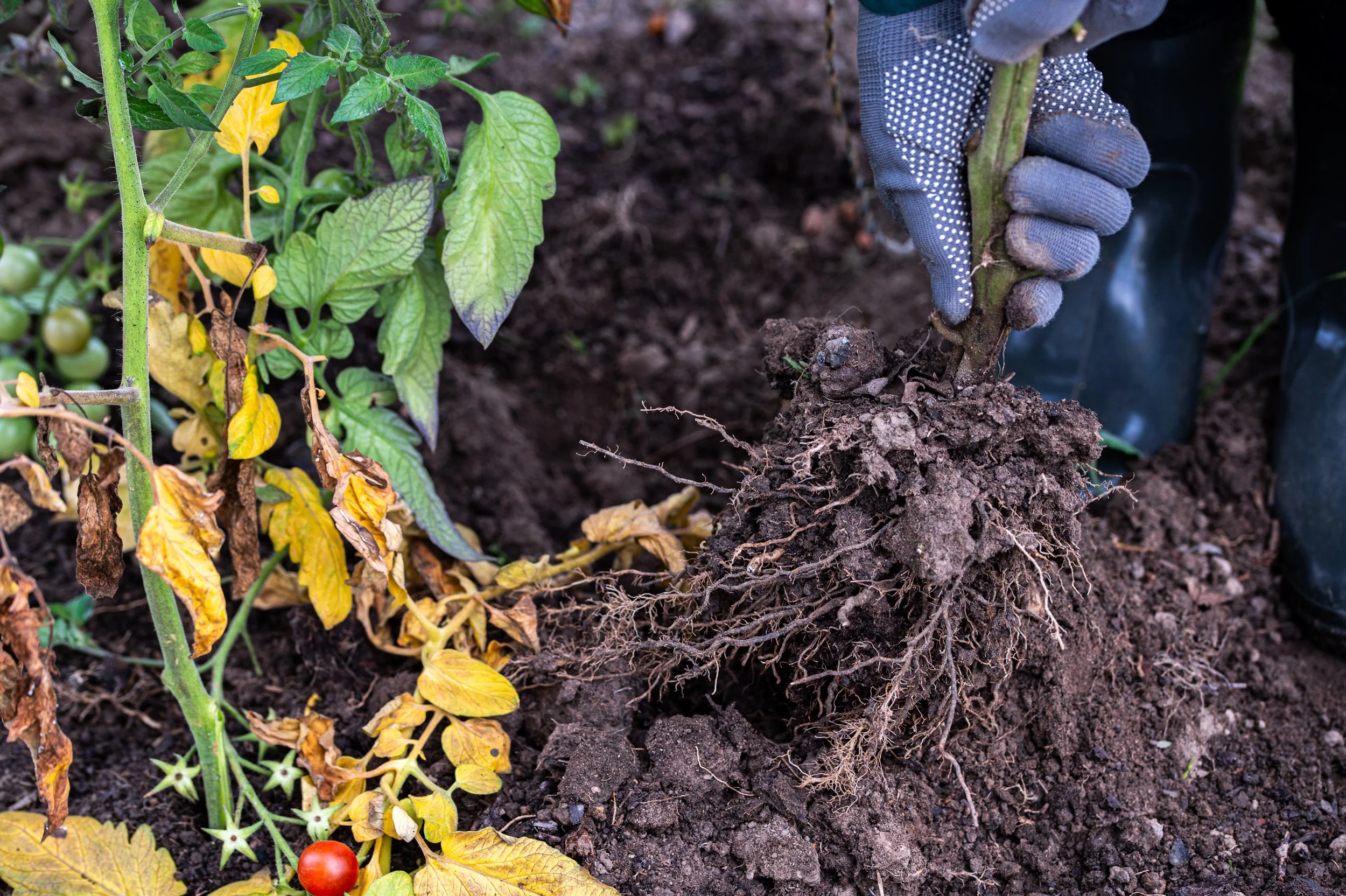
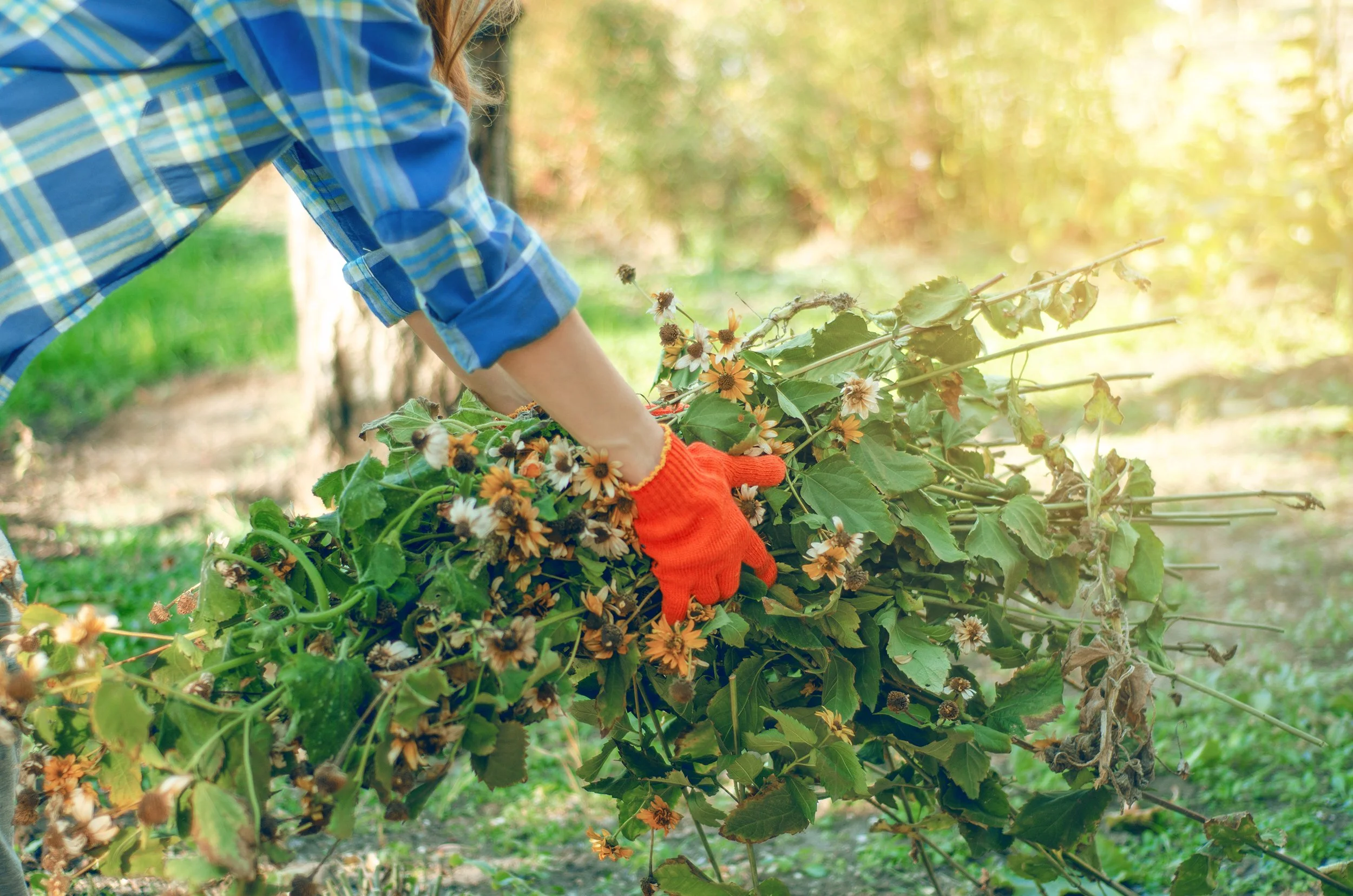
Leaving plant matter, even from healthy plants, in your garden can lead to disease and pest issues. As crops stop producing or are killed by fall frost, remove them from your garden. Healthy plant material can be composted for use next season. Keep your compost area away from your garden and ensure the material has fully broken down before incorporating it back into your garden.
Any plant material that shows signs of disease should be removed from the garden and discarded. While some diseases will die off in a compost pile if the temperature gets hot enough (a minimum of 145°F) and the material breaks down completely, it is recommended to discard all diseased plant material to prevent reintroducing disease to your garden. As an extra precaution, place the plant material in a plastic bag before discarding. Any plant material infected with a virus should be thrown away immediately. Rotten produce should also be removed from the garden to help prevent disease and pest issues.
2. Plant Fall Cover Crops
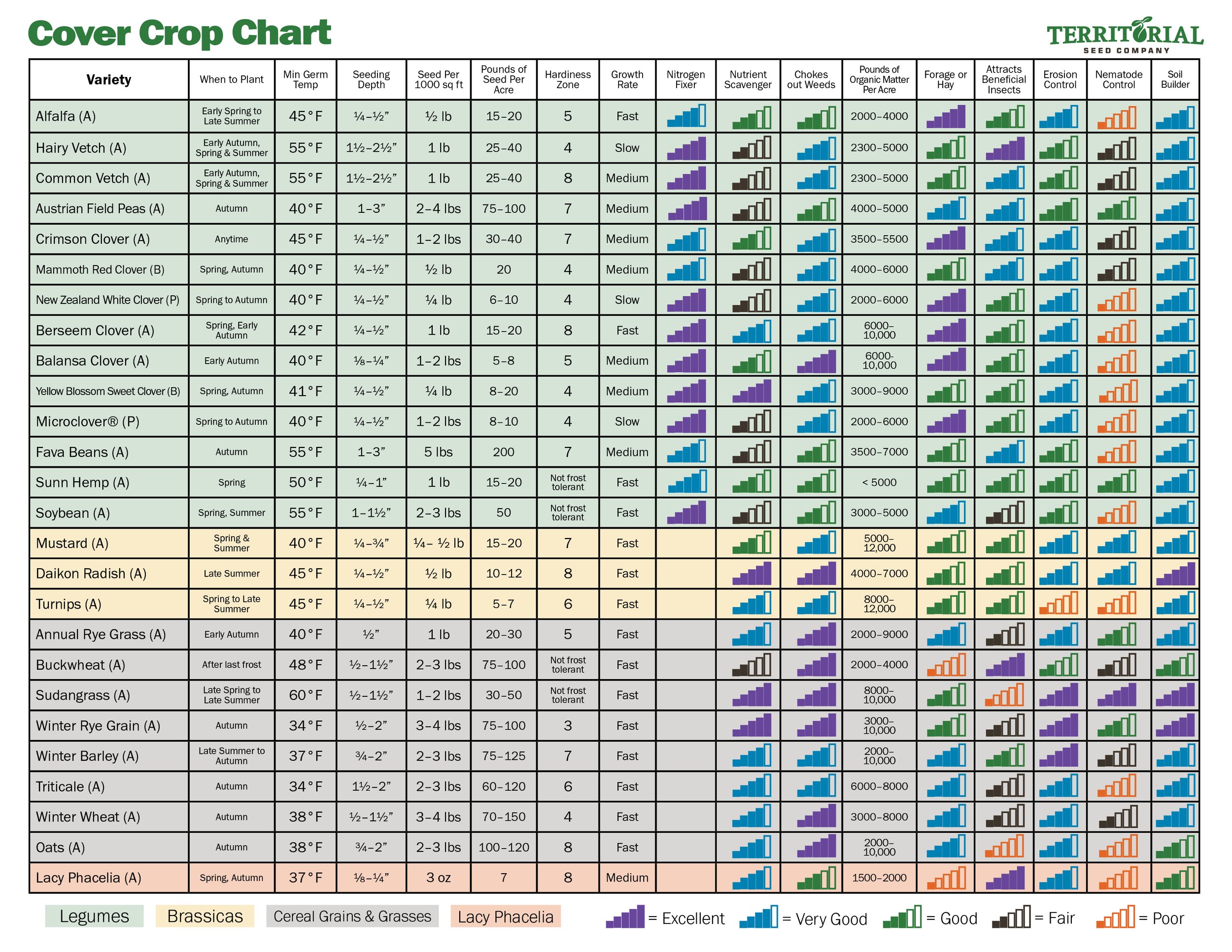
Fall cover crops are an excellent way to improve soil health, prevent soil erosion, and in some cases, fix nitrogen. For best germination, plant while soil temperatures are still above 50°F. Depending on your location, fall-planted cover crops will either winterkill or be ready to terminate in time for spring sowing, providing the perfect canvas for next season’s garden. We have plenty of cover crops to choose from. If you’re new to planting cover crops or just need help making a selection, check out our cover crop chart and this blog post.
3. Cover Bare Soil with Mulch or Shredded Leaves
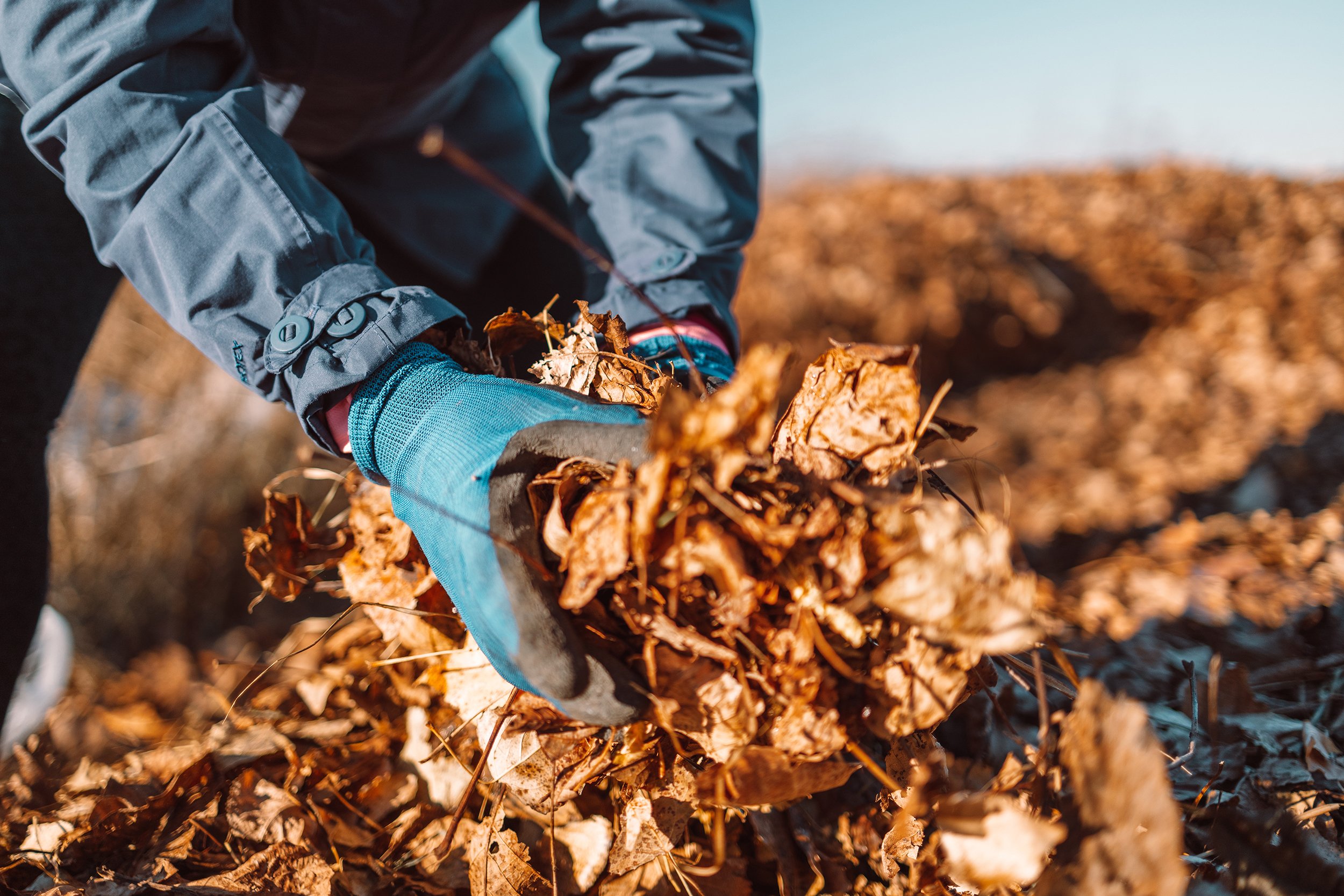
Covering bare soil with mulch or shredded leaves offers several benefits. As the mulch or leaves break down, nutrients are added to the soil, reducing the need for additional fertilizers in the spring. The broken-down organic matter also helps improve soil structure, which in turn increases moisture retention and improves access to air and nutrients. Mulching bare soil can help reduce weeds, too.

Whether you’re preparing to harvest the last of the winter squash and Brussels sprouts or looking forward to hunkering down with hot cocoa and our seed catalog to dream of warmer days, now is the perfect time to kickstart next year’s garden.
Author: Ashley W.